HARMFUL BEHAVIOR
Threats, humiliation, physical harm, repeated exclusion, or other actions meant to hurt or control someone.

Kind Hearts.Courageous Lives.

Understand bullying behavior. Find a safe next step. Share a practical tool with a student, school, or community.
Bullying is unwanted, aggressive behavior that involves a real or perceived power imbalance and happens more than once, or is likely to happen again.
It can show up through words, physical actions, social exclusion, rumors, or online messages. Naming the behavior clearly helps students and adults respond with care and consistency.
Threats, humiliation, physical harm, repeated exclusion, or other actions meant to hurt or control someone.
Power can come from popularity, group size, physical strength, access to private information, or the way a situation feels to the student targeted.
The behavior repeats, or there is a real possibility it will happen again. Cyberbullying can follow a student beyond the school day.
A disagreement between peers may not meet the definition of bullying. It still deserves attention when someone feels hurt or unsafe.
Definition and examples adapted from StopBullying.gov. School policies may provide additional guidance.
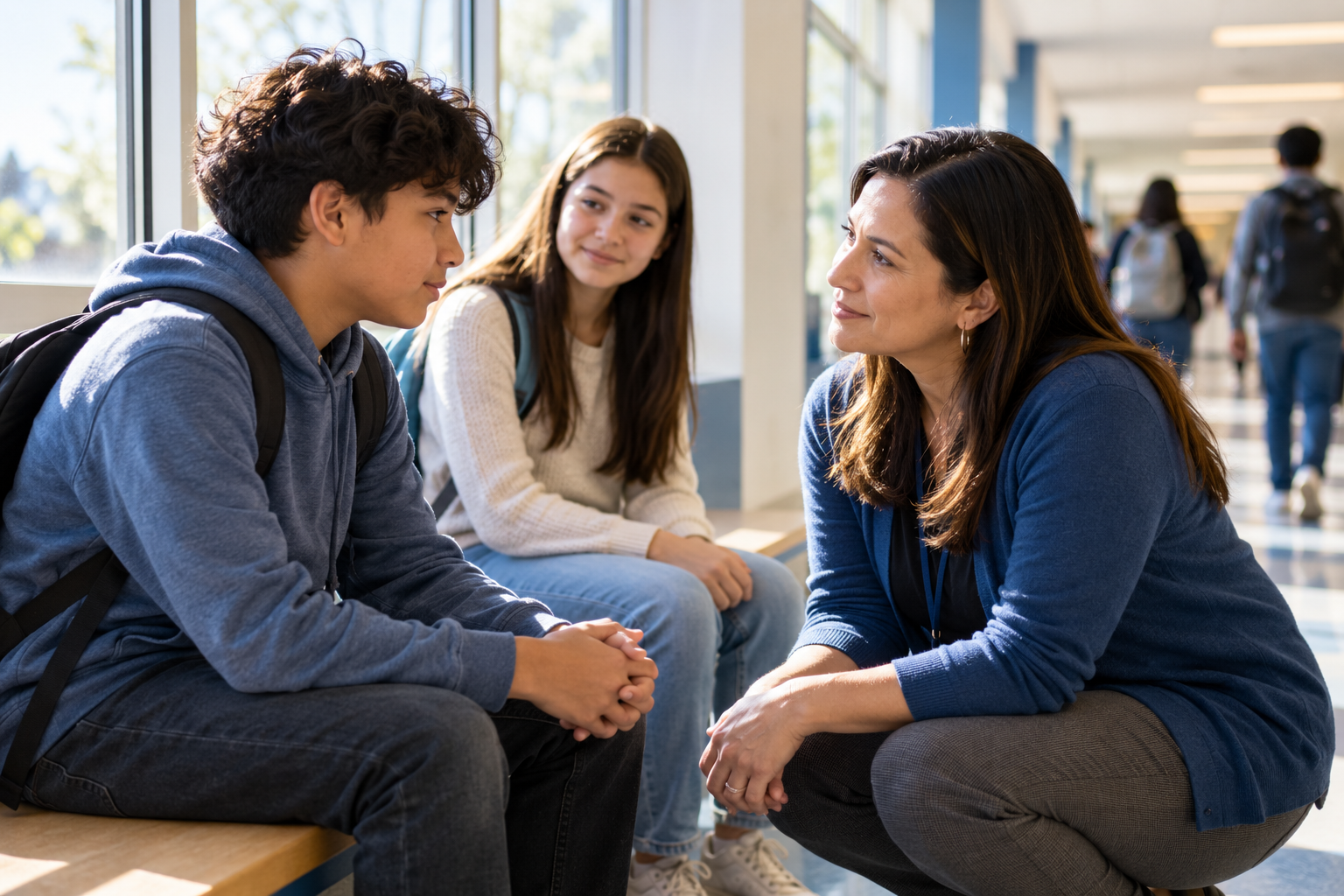 See the student.
The behavior needs to be addressed. The person needs to be seen.
We can take bullying seriously without defining a young person by it. A culture of belonging makes space for safety, accountability, support, and growth.
It is often a small, safe choice that reminds another student they are not alone.
Check in with the student who has been left out or hurt. Ask how they are doing and listen.
“I saw that. Are you okay?”Invite someone into your group, conversation, or lunch table without putting them on the spot.
“Come sit with us.”Tell a teacher, counselor, coach, or another trusted adult what happened. You do not have to handle it alone.
“Can I tell you something?”Adults can listen without blame, make sure students are safe, and use school procedures to respond.
“Let’s make a plan together.”Action examples align with guidance for students and guidance for adults from StopBullying.gov.
Culture is built in the moments we notice, the words we use, and the people we choose to include.
Choose to notice.
Help someone feel seen.
Make belonging visible.
Practice courage together.
Carry it beyond the walls.
Choose the role that brought you here. Every link below leads to a resource you can use now.
Explore our research-based, trauma-informed lessons designed to build connection, courage, and belonging.
Open resourceUse the Student Anti-Bullying Behavior Contract as a starting point for a conversation about safety and respect.
Open resourcePractical steps for adults to make sure students are safe and understand what happened.
Open resourceOpen questions and listening tips for talking with your student about bullying.
Open resourceLearn how cyberbullying can show up and how to support your student.
Open resourceSee the language and activities students may be practicing with their school or group.
Open resourceFind a safe next step if bullying is happening to you or someone you know.
Open resourceLearn how to save evidence, report harmful posts, and get help from an adult you trust.
Open resourceRead the student commitment and talk with a teacher or caregiver about what it could look like at your school.
Open resourceIntroduce us to a school or ask how to begin a conversation in your community.
Open resourceSee how a shared experience can spark practical choices back in classrooms and hallways.
Open resourceHelp an educator, counselor, or youth leader find lessons they can use with students.
Open resourceNeed to raise a safety concern? Tell a trusted adult or follow your school’s reporting process. Find additional help.
Explore free curriculumHeroes in Waiting partners with schools, invests in people, and helps transform culture. Let’s give students real tools to lead with character and act with courage.
Bring Heroes in Waiting to your school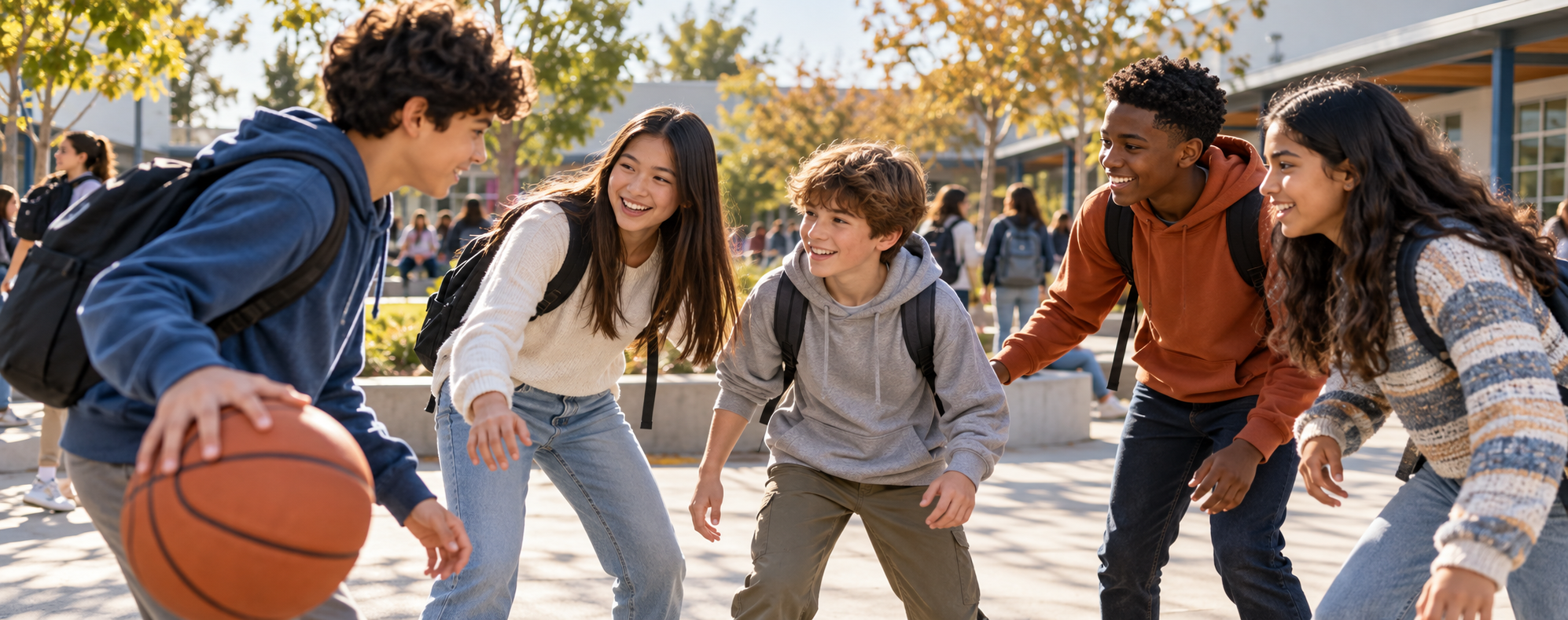 Because there is a hero inside every student.